

If you’ve ever grabbed a soda, beer, or seltzer from an aluminum can and thought, “Wait, is that coating on the inside safe?” — you’re not alone. As someone who’s been in the aluminum can polyester resin game for years, I get it. Cans are convenient, they’re recyclable, but that thin layer of resin between aluminum and your drink is kind of a silent hero. It keeps the metal from leaching into what you’re sipping, stops the can from corroding, and keeps the taste pure. But lately, I’ve seen a ton of questions online about whether that coating is actually safe for food and drinks. Let’s break this down straight — no jargon, no corporate spin, just what I know from working with these resins every single day.
First, let’s talk about why that coating exists in the first place. Regular aluminum would react with acidic drinks like orange juice, tomato juice, or even soda (which has phosphoric and citric acid). Over time, that reaction could leave metallic off-flavors, and in really extreme cases, could break down the metal itself, leading to tiny holes in the can. The polyester resin coating acts as a barrier between the aluminum and the beverage. It’s a super thin layer — like, less than 0.1 millimeters thick in most cases — applied when the can is being manufactured. The whole point is to keep the drink tasting the way it should and the can intact until you crack it open.
Now, the big safety question. Let’s start with the science: modern polyester resins used in food contact applications are designed to meet strict global regulations. In the U.S., that’s the FDA’s Food Contact Notification (FCN) program, and in the EU, it’s Regulation (EC) No 1935/2004. These rules don’t just let anyone put a coating on a can — companies have to prove that under normal use, the chemicals in the resin won’t migrate into the food or drink in harmful amounts. For context, migration levels are measured in parts per billion (ppb), and most safe coatings are well below the thresholds set by regulators.
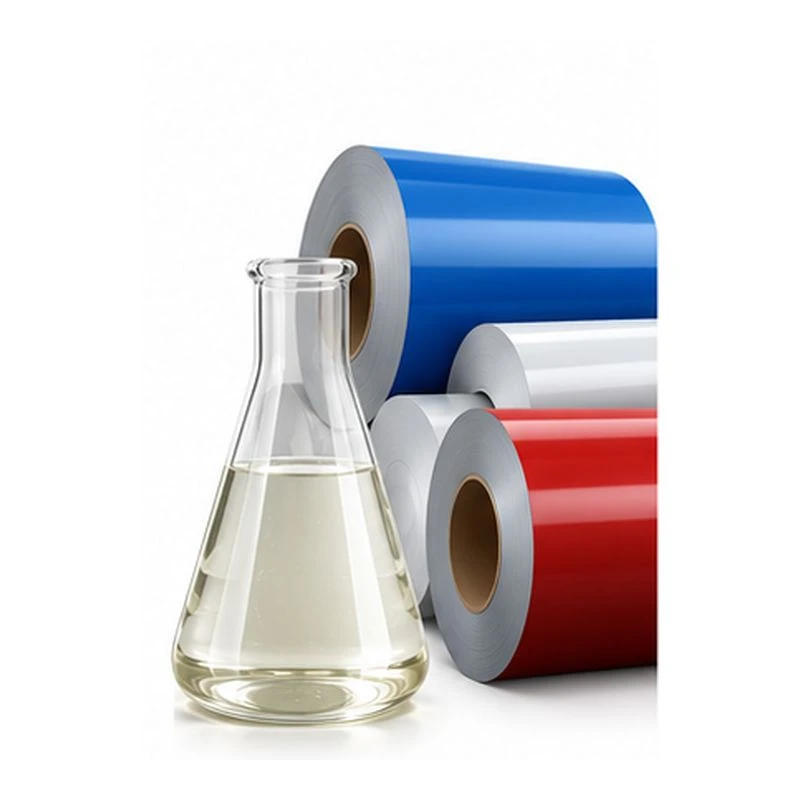
I’ve worked with a range of polyester resins for aluminum cans over the years, and the type we use depends on the beverage. For example, high-solid polyester resin is a go-to for many carbonated drinks. It forms a tough, flexible layer that can handle the pressure inside a soda can without cracking, which is key for keeping the barrier intact. If you’re curious about the specifics of how high-solid formulas work, you can check out our page on High-solid Polyester Resin. For products that sit on shelves for years, like canned beer, we often use high weather-resistant polyester resin — it’s formulated to hold up to temperature changes and light exposure, so the coating doesn’t break down before the beer is sold. If you need something even sturdier for long-term storage, our Super Weather-resistant Polyester Resin is built to last, and liquid saturated polyester resin works well for certain acidic beverages that need extra protection. General purpose polyester resin is a solid all-around option for less demanding drinks, too. All of these resins are designed to meet food contact standards, so they go through rigorous testing before they ever get near a can.
Wait, but what about old cans? I’ve heard people say, “What if the can is dented or old, does that make the coating unsafe?” A small dent might scratch the coating in that spot, but for the most part, the rest of the barrier is still intact. And even if a tiny bit of coating chips, the amount of material that could get into your drink is negligible. Regulators have done plenty of studies on this — there’s no evidence that normal wear and tear on cans leads to unsafe levels of chemical migration. The only time I’d be cautious is if a can is severely damaged, like a big rusted hole, but that’s rare with modern manufacturing.
Another common myth: “Polyester resins have BPA, right?” No, not the ones used for food contact. Years ago, some plastic coatings used Bisphenol A (BPA), but most food-safe polyester resins today are BPA-free. The formulations have changed a lot over the last 15 years — the FDA banned BPA in baby bottles and sippy cups, and that pressure pushed the entire industry to switch to safer alternatives. The polyester resins we supply for aluminum cans don’t use BPA at all. They’re made from monomers that are approved for food contact, and once they’re cured (the process that turns them from a liquid into a solid coating), they’re chemically stable. Curing is super important — if the coating isn’t fully cured, there might be unreacted monomers left that could migrate. But can manufacturers have strict curing processes, and third-party testing is standard to make sure every can is fully coated and safe.
I’ve talked to can manufacturers who test their coated cans with real drinks, too. They put cans through months of storage, check the flavor, and test for chemical migration. At the end of the day, if the coating is applied correctly and the can is used as intended, there’s no risk of unsafe chemicals in your drink. That said, like any food or drink product, you should use cans before their expiration date (or best-by date) because even the best coating can break down a little over time, affecting taste and quality. Expired cans aren’t dangerous — they just might not taste as fresh.
Now, let’s get to my perspective as a supplier. I see firsthand the steps companies take to make sure these coatings are safe. We work with third-party labs to test every batch of polyester resin we produce, checking for migration levels, purity, and compliance with food contact rules. The resins I mentioned earlier — high-solid, high weather-resistant, super weather-resistant, liquid saturated, and general purpose — all go through these same tests. If a batch doesn’t pass, we don’t ship it. For aluminum can coatings, we focus on resins that balance safety, performance, and cost-effectiveness. Customers (can manufacturers) care about how the coating adheres to aluminum, how it holds up during filling and sealing, and how it affects the taste of the beverage. We test all of that before a resin ever makes it to a production line.
I also want to mention that aluminum cans are actually one of the safest packaging materials out there, in part because of the modern polyester coating. Unlike plastic bottles, which can absorb flavors and chemicals over time, aluminum is inert when properly coated. The coating is a thin layer, but it’s designed to last the life of the can. And since cans are so widely recyclable, the same coating is safe for the recycling process too — it doesn’t contaminate other materials, and most recycling facilities can handle coated cans without issues.
That said, I know it’s normal to have questions. The food and beverage industry has come a long way in terms of safety, and these coatings are a big reason why. If you’re a can manufacturer looking for a reliable, food-safe polyester resin for your aluminum cans, we have a range of options tailored to different beverage types. Whether you need something for carbonated sodas, craft beer, or acidic juices, we can help you pick the right resin. We’re always here to answer questions about our products, share test data, or walk you through the specifications.
If you’re in the market for aluminum can polyester resin, feel free to reach out to our team. We’ve worked with all kinds of can manufacturers, from small craft producers to large global brands, and we’re committed to supplying products that are both safe and high-performing. We know that trust is everything when it comes to something that goes into what people eat and drink, and we take that responsibility seriously. Don’t hesitate to contact us for more info on our resins, pricing, or sample requests.
References:
- U.S. Food and Drug Administration. (2023). Food Contact Materials: Polymers. Retrieved from fda.gov
- European Food Safety Authority. (2022). Safety assessment of polyester resins for food contact materials. Retrieved from efsa.europa.eu
- Aluminum Association. (2021). Aluminum Can Packaging: Safety and Sustainability. Retrieved from aluminum.org
- World Health Organization. (2020). Chemical Migration from Food Packaging Materials. Retrieved from who.int
- American Coatings Association. (2022). Polyester Resins for Food Contact Applications. Retrieved from coatings.org