

Hey everyone, I’m Sam, and I’ve been working as a color coated steel sheet supplier for the past 8 years. No lie, one of the most common questions I get from contractors, builders, and even small business owners is: “Is color coated steel sheet fire resistant?” It makes total sense—when you’re picking materials for roofs, wall panels, or industrial structures, fire safety is non-negotiable. A lot of people have heard mixed things, so today I’m breaking down what’s actually true, how our products stack up, and what you need to know before making a call.
First, let’s get one thing straight: color coated steel sheet isn’t “fireproof” in the way, say, a fire extinguisher is. Nothing is 100% immune to fire, but that’s not the right bar to set. What matters is how it performs when exposed to high heat, and where it falls in terms of fire resistance ratings. A lot of people mix up “fire resistant” with “doesn’t burn,” and that’s a critical mistake. Let’s start with the basics of how color coated steel is made, because that’s where its performance starts.
Our standard color coated steel starts with a base metal—usually galvanized steel first, right? Wait, or sometimes galvalume? Yeah, both go through a deep cleaning process before we apply multiple layers of coating: a pre-treatment to help the paint stick, then a primer, then the topcoat (which is the colorful layer you see), and sometimes a backcoat for extra protection. The base metal here is key because steel itself is inherently non-combustible. Unlike wood or plastic, it won’t catch fire, melt, or release toxic fumes when heated. Where the confusion happens is the paint layer, not the steel underneath.
Let’s talk about the paint for a sec. Most color coated steel uses either polyester, silicon-modified polyester (SMP), or polyvinylidene fluoride (PVDF) coatings. Polyester is the more budget-friendly option, common for residential roofs and wall panels. It holds up well to UV rays and light weather, but at around 250°C (482°F), it starts to break down. That breakdown doesn’t mean it’s burning like paper, though—it means the top paint layer might blister, fade, or peel off. The steel under that is still there, doing its job. SMP is a step up, can handle up to 120°C (248°F) longer-term, and more heat before coating failure. PVDF is the heavy hitter, used for commercial and industrial projects, can take up to 150°C (302°F) long-term, and resists heat breakdown way better.
Wait, but what if there’s an actual fire? Let’s say a garage fire reaches 500°C (932°F) or higher. The paint is definitely going to burn off, but the steel? It’ll stay intact—until it gets to around 1,500°C (2,732°F), which is way hotter than most structure fires. Most home fires max out at around 1,000°C (1,832°F) for short periods, right? So in that scenario, the color coated steel will lose its paint, but the structural steel remains, which is way better than something like wood siding that would burn through in minutes.
A lot of our clients come to us asking about specific products, so let’s tie this to what we offer. For example, Galvanized Color Coated Sheets are our most popular all-purpose option. They’re built on zinc-coated steel, so the base metal is extra corrosion-resistant, and the color coats add that heat resistance I mentioned. We’ve tested these to meet Class B fire ratings in most regions, which means they don’t contribute to fire spread. Then there’s Colour Coated Profile Roofing Sheet—we use a thicker steel core for these, so when the paint is gone in a fire, the profiles stay rigid, holding up the roof longer than thinner materials would.
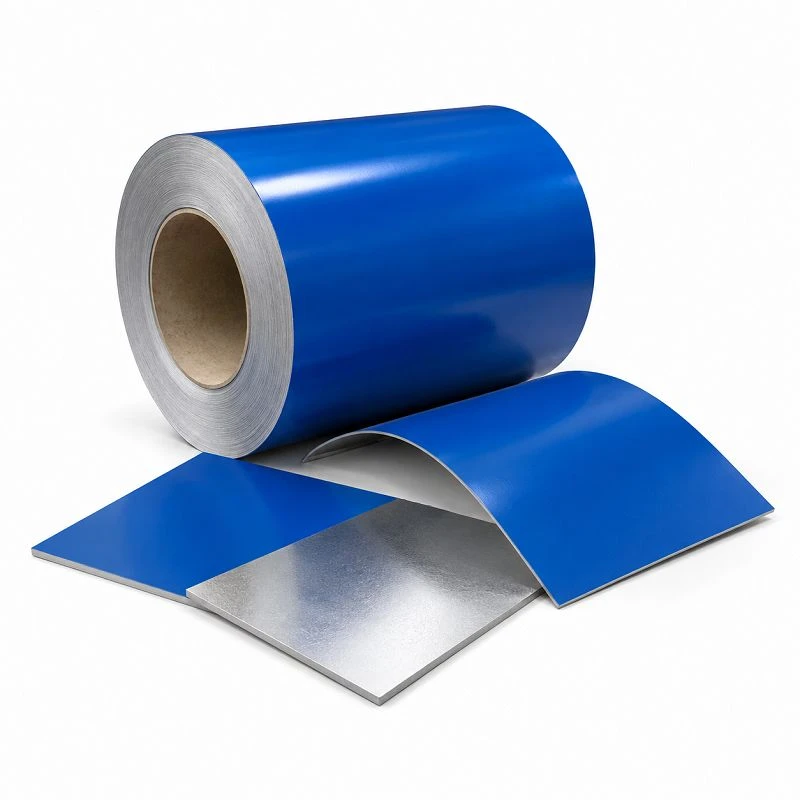
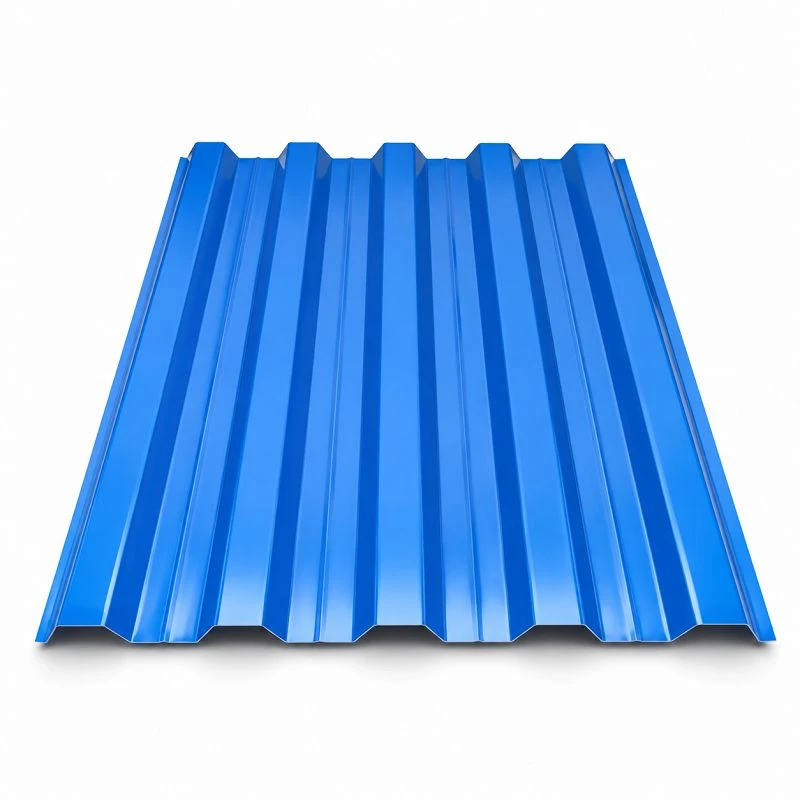
Wait, what about galvalume? We also stock Galvalume and Galvanized Steel Sheets for people who need a base metal that’s more rust-resistant in humid or coastal areas. Galvalume has that aluminum-zinc coating, so the base metal handles heat a bit differently—can take higher temperatures before the zinc starts to degrade, which indirectly helps the color coating last longer too. That means better performance in both everyday heat and emergency fire situations compared to standard galvanized, in most cases.
And when it comes to roofing specifically, Galvanized Coated Roofing Sheets are a go-to for industrial warehouses and agricultural buildings. We’ve had farmers tell me they had a grass fire spark their barn, and the roofing didn’t cave in because the steel stayed strong—even after the paint burned off. Corrugated sheets, like Color Coated Corrugated Sheets, are used for wall partitions and small outbuildings, same logic: steel is non-combustible, so the fire can’t eat through the walls like it would with wood.
But here’s the catch—fire resistance ratings depend on more than just the material itself. The installation matters a ton. If you’re nailing color coated steel down wrong, with gaps that let flames or hot air seep in, that’s a problem. Also, the type of insulation behind it? If you’re using foam insulation that’s highly flammable, that can lower the overall fire performance of the whole assembly, even if the steel is top-tier. I always tell customers: don’t just ask about the steel, ask about the full system.
Another big misconception: color coated steel is worse than other metal options for fire. No, actually—aluminum melts at around 660°C (1,220°F), which is way lower than steel. So aluminum roofing will warp or melt in a fire long before steel will. That’s why we recommend steel-based color coated products for areas with higher fire risk, like wildfire zones or industrial sites. I’ve seen aluminum roofs in a wildfire just crumple, while our color coated steel roofs stayed standing, even with the paint stripped.
Now, let’s talk about real-world testing and standards. We don’t just guess—we send our products to third-party labs to get tested for fire resistance. Most of our color coated steel sheets meet EN 13501-1 Class B or ASTM E84 Class A ratings. Class A is the highest for building materials in the US, meaning they have low flame spread and smoke development. That’s a big deal for commercial projects, where building codes require those ratings. Residential projects might only need Class B, but it’s good to know our products can handle both.
Wait, what about when the coating does fail? Does it release toxic fumes? That’s another question I get all the time. Modern color coatings (especially the PVDF ones) are low-VOC, and when they burn, they release way less smoke and toxic gas than plastic, vinyl, or wood. That’s a huge safety point for occupants—less smoke inhalation is the leading cause of fire deaths, so that’s a major win for color coated steel.
I should also mention that “fire resistant” isn’t a one-size-fits-all label. If you’re building a structure that needs to withstand a long, intense fire (like a chemical plant), you’ll need a different grade than if you’re building a residential garage. We can customize products for that—thicker steel cores, specialized coatings that can handle higher temperatures longer. That’s where working with a supplier who understands the ins and outs makes a difference; we don’t just send you a generic sheet, we ask about your project, your location, and your fire safety needs.
Let’s circle back to that original question: Is color coated steel sheet fire resistant? The short answer is: Way more fire resistant than common alternatives like wood, plastic, or vinyl, and much better than lower-melting metals like aluminum. It won’t stop a fire from starting, but it will slow the spread of fire, maintain structural integrity longer, and reduce toxic smoke—all things that save lives and property. The key is picking the right type, getting it installed correctly, and making sure it meets your local building code requirements.
If you’re working on a project and want to dig deeper into which color coated steel sheet is right for you, whether it’s a residential roof, an industrial wall panel, or something in between, shoot us a message. We can walk you through our full product line, answer any more questions about fire performance or other specs, and help you pick the best option that fits your needs and budget. No pushy sales stuff, just honest advice from someone who’s been in this game for years.
References
- National Fire Protection Association (NFPA). (2022). Fire Protection Handbook, 20th Edition. Quincy, MA: NFPA.
- American Society for Testing and Materials (ASTM). (2021). Standard Test Method for Surface Burning Characteristics of Building Materials (ASTM E84-21). West Conshohocken, PA: ASTM.
- European Committee for Standardization (CEN). (2019). Fire Classification of Construction Products and Building Elements – Part 1: Classification Using Data from Reaction to Fire Tests (EN 13501-1:2019). Brussels, Belgium: CEN.
- Steel Construction Institute (SCI). (2020). Fire Design of Steel Structures, 3rd Edition. Ascot, UK: SCI.