

If you’ve ever grabbed a cold soda from an aluminum can, crumpled it after finishing, and thought, “That’s not just metal—this is a carefully engineered product,” you’re right. Every can that makes it to store shelves is coated inside and out with polyester resin, a material that keeps acidic drinks from reacting with aluminum, prevents corrosion, and protects labels from scuffs and fading. But if you’re in the market for [Aluminum Can Polyester Resin], you’ve probably noticed two main forms: liquid and powder. As a supplier that’s worked with beverage can manufacturers for over a decade, I’ve fielded dozens of calls from teams asking which is better for their line. The truth is, there’s no one-size-fits-all answer—each has unique strengths, tradeoffs, and use cases tied to production goals, regulatory needs, and end-product performance. Let’s break down the differences so you can make an informed choice.
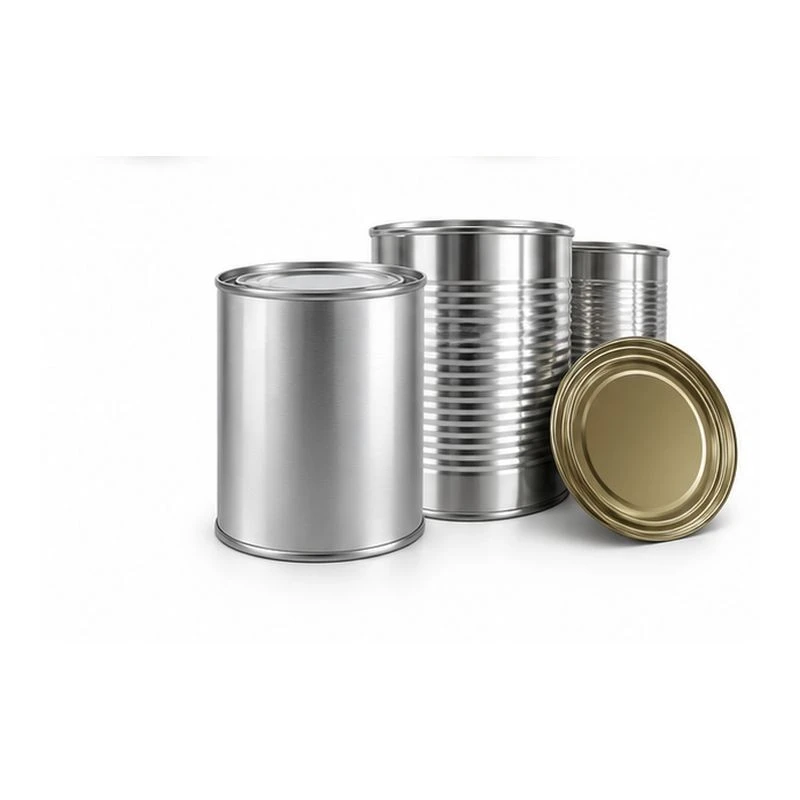
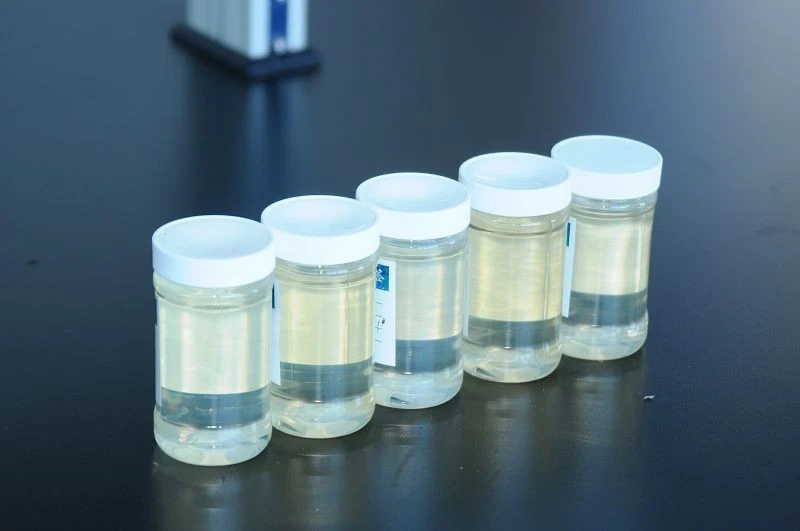
First, let’s start with the basics: what do these resins do for aluminum cans? For internal can coatings, polyester resin acts as a barrier between the drink and the aluminum walls. Drinks like cola, citrus sodas, and energy drinks are highly acidic; without a barrier, they’d eat through the can lining over time, leach metal into the beverage, and ruin taste. For external coatings, it’s about scratch resistance, adhesion to ink and labels, and protection from moisture during shipping. Both liquid and powder polyester resins serve these core functions, but their physical form drives almost every other difference.
Let’s dive into liquid polyester resin first, specifically the type designed for aluminum cans—[Liquid Saturated Polyester Resin] is the most common here. Liquid resins are, as the name suggests, solvent-based (wait, no—modern liquid can coatings are often water-based, but let’s clarify that: traditional liquid resins used organic solvents, but the industry has shifted to water-borne formulas to meet global environmental rules, though some solvent-based variants still exist for specialized lines). They’re applied as a thin liquid film, then cured with heat to form a solid, cross-linked polymer. For many small to mid-sized can manufacturers, liquid resins feel familiar because they’ve been the standard for decades. I remember when I first got into this business, every line ran liquid resin—there was a comfort factor to using a material that flowed easily, adjusted quickly, and had a proven track record in can coatings.
Now, powder polyester resin: this is a dry, fine powder made of solid polymer particles, pigment, and additives. Unlike liquid, it has no solvents (or water) to carry the resin, so it’s applied electrostatically to the aluminum surface, then melted and cured with heat. Powder coatings are a relative newcomer to aluminum can lines, having gained traction since the 1990s as environmental regulations tightened around volatile organic compounds (VOCs). But that’s just the surface—there’s a lot more to how these two processes work in a real production setting.
Let’s talk about application and curing, because that’s where the first big practical difference hits. Liquid resin coatings are typically applied via roller coating or spray coating, depending on the can segment (internal vs. external). For internal can linings, for example, liquid resin is sprayed evenly inside the can body, then the can is heated to evaporate the carrier (water or solvent) and cross-link the resin. The curing temperature for liquid can resin is usually lower—around 180–200°C (355–390°F)—compared to powder, which needs higher temperatures, often 200–220°C (390–425°F). That might not sound like a huge jump, but for can manufacturers with older lines that can’t handle sustained high heat, liquid resin is a easier fit.
Powder, on the other hand, uses electrostatic spray guns: the powder particles get a positive charge, and the aluminum can (grounded negatively) pulls them onto the surface. This electrostatic attraction is super efficient—studies show powder coating has a transfer rate of 90–95%, meaning almost all the powder you apply sticks to the can, compared to liquid’s 60–70% transfer rate where excess resin is lost as overspray. That efficiency translates directly to cost: less waste means lower material usage, which is a big win for high-volume can lines. I’ve had customers switch to powder after watching their overspray costs drop by 30% within six months. That said, powder does require a consistent, smooth aluminum surface to adhere properly—any tiny burr or oil residue on the can will cause powder to flake off, so preparation steps (like degreasing) have to be more rigorous than with liquid.
Next, performance, especially the stuff that matters most for beverage cans: adhesion, chemical resistance, and food safety. Adhesion is make-or-break here—if the coating peels, you’ve got a defective can that can leak or contaminate the drink. Liquid saturated polyester resin has been formulated to adhere extremely well to aluminum, even on lightly prepped surfaces. The liquid form flows into micro-cracks or imperfections on the can surface, creating a mechanical bond that’s hard to beat. That’s why it’s still the go-to for specialty cans, like those made for craft beverages where production runs are smaller and surface prep might be less standardized.
Powder polyester resin, while good at adhering when prepped right, relies more on chemical attraction between the polymer and aluminum, plus the electrostatic charge. Modern formulations, like polyurethane modified or silicone modified polyesters, have closed the gap here. For example, [Silicone Modified Polyester Resin] powders have better flexibility, which is useful for cans that get dented during shipping—if a can is dropped, the powder coating is less likely to crack than older liquid formulations. Chemical resistance is another area: powder coatings, because they’re cross-linked more thoroughly at higher temperatures, often have better resistance to acidic drinks and even the cleaning chemicals used in can production lines. That means powder cans are less likely to show corrosion after months on a store shelf, which is a huge plus for long shelf-life products like canned water or canned coffee.
Food safety is non-negotiable for beverage can coatings—they have to meet FDA standards (in the U.S.), EFSA regulations (in the EU), and other global food contact norms. Here, both liquid and powder have to meet the same strict standards, but their composition can differ slightly. Traditional liquid resins used to have higher levels of residual solvents, but modern water-borne liquid resins have almost eliminated that risk, so they’re fully compliant. Powder resins, by nature, have no residual solvents (since they’re solid particles that melt and cure), so they also meet all food safety rules. A common misconception I hear is that powder is “more natural” or safer because it’s solvent-free, but both types are tested rigorously for heavy metals, migrant compounds, and other contaminants, so that’s not a meaningful difference anymore.
Environmental impact is a big talking point these days, and it’s where the lines start to blur but also where priorities matter. Liquid resins—especially older solvent-based types—have high VOC emissions, which are regulated tightly in many countries. The EPA and EU’s REACH regulations have pushed manufacturers to switch to water-borne liquid resins, which cut VOCs by 80–90% compared to solvent-based. That makes modern liquid resin a much greener option than it was 15 years ago. Powder resins, meanwhile, are inherently low-VOC—they don’t have any solvents to evaporate, so their VOC emissions are near zero. That’s a big selling point for facilities looking to reduce their carbon footprint and avoid VOC-related taxes or permits. But powder has its own environmental tradeoffs: the high curing temperature means more energy use. A study by the Can Manufacturers Institute found that powder coating lines use 15–20% more energy than equivalent liquid lines, even with lower material waste. So it’s a balance: lower material waste vs. higher energy use, lower VOCs vs. more regulated water-based liquid formulas.
Cost is probably the question I get asked most often, and it’s not as simple as “powder is cheaper” or “liquid is cheaper.” Let’s break it down per kg of resin: powder polyester resin is usually 10–15% more expensive upfront than liquid saturated polyester resin. But when you factor in transfer rate—90% for powder vs. 65% for liquid—you end up using almost half as much powder to coat the same number of cans. For a high-volume line that produces 10 million cans a month, that adds up to thousands of dollars saved annually on material costs. Liquid, however, has lower upfront equipment costs: most older can lines are set up for liquid coating, so switching to powder would mean buying new electrostatic spray guns, curing ovens that can handle higher temperatures, and pre-treatment systems for better surface preparation. For a small craft can producer with only a few production lines, that upfront equipment cost might not be worth the long-term savings of powder. For a large national brand with dozens of lines, that investment pays off quickly.
Let’s also talk about specialty use cases, because not all aluminum cans are the same. For external coatings on cans that will be printed with vibrant labels, powder coatings have better surface smoothness, so ink adheres more evenly and colors are brighter. That’s why many soda and beer brands now use powder for external coatings—it makes their labels pop on store shelves. For internal coatings, liquid resin still has an edge for highly acidic drinks like citrus soda, where the mechanical flow of liquid creates a tighter barrier against acid penetration. Some brands even use a hybrid approach: powder for external, liquid for internal, to get the best of both worlds. There are also specialized polyester resins, like [General Purpose Polyester Resin], which works well for standard soda cans, or [Polyurethane Modified Polyester Resin], which adds extra flexibility for cans that are used for carbonated beverages that get opened and closed multiple times (wait, those are cans with resealable lids, right—yeah, polyurethane modified is great for that).
Now, I should mention my company’s perspective here—we’ve supplied both liquid and powder aluminum can polyester resin for over a decade, and we don’t push one over the other. We work closely with can manufacturers to audit their production lines, volume, product type, and regulatory needs to recommend the right resin. Last year, I worked with a craft brewery that was producing 2 million cans a month; their line was 10 years old and couldn’t handle the higher curing temperatures for powder, so we helped them switch to our water-borne liquid saturated polyester resin, which cut their VOC emissions by 85% while keeping their production costs stable. The year before that, we helped a large water bottler expand their line to 15 million cans a month; their existing line was being phased out for liquid due to costs, so we walked them through switching to powder, helping them optimize their pre-treatment process to reduce flaking, and they saved over $120,000 in material costs in the first year. That’s the kind of tailored solution that matters—you don’t just buy a resin, you match it to your operation.
Let’s wrap this up with a clear takeaway: liquid and powder polyester resin for aluminum cans are both high-performance, food-safe materials, but they’re built for different needs. Liquid is better for older lines, small production runs, highly acidic beverages, and facilities that can’t handle the higher heat or require a lower upfront equipment investment. Powder is ideal for high-volume lines, facilities focused on reducing VOC emissions and waste, external can coatings where ink quality is key, and brands looking for better scratch resistance. The best choice depends on your production capacity, product type, energy infrastructure, and long-term sustainability goals.
If you’re looking to update your can coating process or just learn more about how our aluminum can polyester resin can work for your line, don’t hesitate to reach out. We offer custom formulations, free line audits, and support to help you make the switch smoothly, whether you’re moving from liquid to powder or staying with liquid and upgrading to water-borne.
REFERENCES
- Can Manufacturers Institute. (2022). Coating Material Performance and Cost Analysis for Aluminum Beverage Cans. Washington, DC: CMI Publications.
- European Food Safety Authority (EFSA). (2021). Update on Food Contact Materials: Polyester Resins for Aluminum Packaging. Parma, Italy: EFSA Journal.
- U.S. Environmental Protection Agency (EPA). (2020). Volatile Organic Compound Emissions from Industrial Coating Processes. Washington, DC: EPA Office of Air and Radiation.
- Smith, J. et al. (2019). “Environmental and Economic Tradeoffs Between Liquid and Powder Coatings in Aluminum Can Production.” Journal of Packaging Technology and Science, 32(4), 189–202.
- International Organization for Standardization (ISO). (2018). ISO 11469:2018 – Plastics – Identification and Marking of Plastics Products, Including Polyester Resins for Food Contact. Geneva, Switzerland: ISO.