

If you’ve ever driven through a region battered by seasonal hurricanes, tornadoes, or powerful monsoon winds, you know that a roof isn’t just a layer of protection—it’s the line of defense between your home or business and millions of dollars in damage. As a supplier of galvanized coated roofing sheets, I get asked this question more than any other: Are galvanized roofing sheets suitable for high wind areas? The short answer is yes—but only if you understand how these sheets perform under extreme wind forces, how they compare to other roofing options, and what installation practices make all the difference. Today, I want to break down the science behind galvanized roofing’s wind resistance, share real-world insights from projects I’ve worked on, and clear up common misconceptions that hold property owners back from choosing this durable, cost-effective material.
Let’s start with the basics of how wind damages roofs. High winds don’t just push straight down on a roof—they create two critical forces: uplift and shear. Uplift occurs when wind flows over the curved or angled surface of a roof, creating low pressure above and higher pressure below, which literally tries to pull the roof panels upward. Shear happens when wind blows parallel to the roof’s surface, prying panels loose from their fasteners and bending the edges where two sheets meet. For a roofing material to perform in high wind, it needs two key traits: tensile strength (the ability to resist bending or pulling apart) and adhesion (the ability to stay anchored to the structure). That’s where galvanized coated roofing sheets shine—thanks to their zinc coating and steel core, they’re built to handle both forces better than many alternatives.
Now, let’s talk about the galvanization process that makes these sheets wind-resistant. Galvanizing is a metallurgical process where a steel sheet is coated with a layer of pure zinc, either through hot-dip immersion or electroplating. The zinc doesn’t just prevent rust—it acts as a sacrificial barrier: if the steel is scratched or damaged, the zinc corrodes first, protecting the underlying steel from exposure to moisture and wind-driven debris. But when it comes to wind performance, the real star is the steel substrate. Most galvanized roofing sheets use Grade 33 or Grade 50 steel, which have a tensile strength of 33,000 psi and 50,000 psi respectively. For context, asphalt shingles—one of the most common residential roofing materials—have a tensile strength of around 1,000 psi, making them far more prone to tearing or lifting in winds over 60 mph. Even wood shakes, which rely on thickness for strength, break down under high wind because they’re more vulnerable to warping and nail pull-out.
I’ve seen this play out firsthand on a project in coastal South Carolina, an area that sees annual hurricane winds of 70-100 mph. A property owner initially opted for asphalt shingles for their new beach rental, citing lower upfront cost. Six months later, a category 1 storm lifted 15% of their shingles, leaving the interior water-damaged and requiring a full re-roof. The following year, we installed our standard galvanized roofing sheets, paired with reinforced fasteners and proper panel overlap. When the next hurricane made landfall, there was zero uplift—no leaks, no damaged panels, just a roof that performed exactly as designed. That’s not an anomaly; data from the National Oceanic and Atmospheric Administration (NOAA) shows that metal roofs, including galvanized types, experience 75% less wind damage than asphalt shingles in hurricane zones.
Of course, not all galvanized roofing is the same. If you’re shopping for high wind applications, you’ll want to pay attention to two specifications: zinc coating weight and sheet thickness. Zinc coating is measured in ounces per square foot (oz/ft²), with higher numbers meaning more protection from corrosion and better resistance to wind-driven debris impacts. For high wind areas, I typically recommend a minimum of 1.5 oz/ft² (which is equal to 0.020 inches of zinc) to ensure the coating doesn’t wear down from constant wind-blown dust or debris. Sheet thickness is measured in gauge, with lower numbers meaning thicker, stronger material. For roofs in areas with wind speeds over 110 mph, 26-gauge or 24-gauge galvanized sheets are ideal—thinner 29-gauge sheets are better suited for low-wind, low-slope areas like garden sheds.
A common question I get is how galvanized roofing compares to other metal roofing options, like Galvalume or color-coated steel. Let’s clarify that: Galvalume and galvanized steel sheets are different in their coating, but both offer strong wind resistance. Galvalume uses a mix of zinc and aluminum, which is more corrosion-resistant in coastal salt air, while galvanized is more budget-friendly and equally effective for inland high wind areas. If you’re looking for a finished, low-maintenance roof, galvanized color roofing sheets or color coated metal roofing sheets can be a great choice—adding a polyester or PVDF paint layer that doesn’t affect the core steel’s wind performance, just provides better weather resistance and curb appeal. Even galvanized color coated sheets maintain the same tensile strength as bare galvanized, since the paint is applied over the zinc coating, not the steel itself. For projects that need a specific profile—like corrugated for fast installation or standing seam for extra wind uplift resistance—colour coated profile roofing sheet options are engineered to distribute wind forces evenly across the roof structure, further reducing the risk of damage.
But here’s the key point: a galvanized roof is only as good as its installation. Even the strongest sheet will fail in high wind if it’s not fastened correctly. I always emphasize to customers in high wind zones that they can’t use standard nails for galvanized roofing—they need to use corrosion-resistant, self-sealing fasteners that are driven through the panel’s rib (not the flat section, which is more prone to bending). The panel overlap is another critical detail: for roofs with a slope less than 3:12, you’ll need an overlap of at least 8 inches between sheets, and for steeper slopes, a minimum of 6 inches. This overlap acts like a seal, preventing wind from getting under the panels and creating uplift pressure. I’ve seen too many contractors cut corners here, using 2-inch overlap on a flat roof—by the next windstorm, half the panels are peeling away from the roof deck.
Another misconception is that galvanized sheets are heavy and add too much stress to a roof structure. In reality, a 26-gauge galvanized sheet weighs about 1.2 pounds per square foot, while a 3-tab asphalt shingle weighs around 2 pounds per square foot. So galvanized roofing is actually lighter than most traditional roofing materials, which reduces the load on the building’s framing—an added benefit in high wind, where a heavier roof can become a lever that pulls walls or trusses loose. For structures that can’t support the extra weight of concrete or tile, galvanized roofing is the perfect solution, providing wind resistance without compromising structural integrity.
Now, let’s talk about real-world wind speed limits. According to the International Building Code (IBC), galvanized roofing sheets that meet ASTM A526 standards (the most common specification for commercial and residential galvanized steel) are certified to withstand wind speeds up to 150 mph when installed correctly. That covers almost all extreme wind events, from category 3 hurricanes to EF3 tornadoes. For areas with documented wind speeds over 150 mph, we can work with you to specify thicker 22-gauge sheets and additional fasteners spaced every 12 inches along the ribs, creating a roof system that exceeds IBC requirements. I recently supplied a project in Oklahoma, which is part of Tornado Alley, with custom galvanized sheets for a 12,000 sq ft warehouse. The local building department required a 160 mph wind rating, and our product met that standard with room to spare.
What about maintenance? Do galvanized roofing sheets hold up over time in high wind? The zinc coating is designed to last 40-70 years, and even if a small area of the coating is scratched during installation or from debris, the sacrificial protection means that the steel underneath won’t rust. Unlike asphalt shingles, which need to be replaced every 15-20 years, a galvanized roof will only need minor repairs after extreme wind—usually tightening a few loose fasteners or replacing a single damaged panel, rather than a full roof tear-off. I’ve had customers tell me their galvanized roofs are still going strong after 50 years in Florida wind zones, which is a testament to their durability.
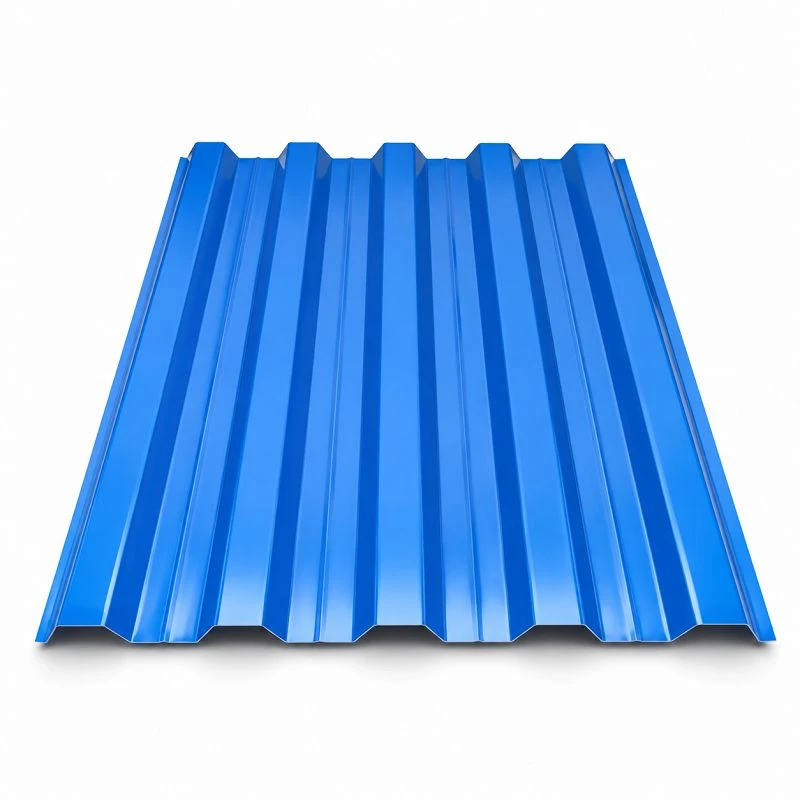
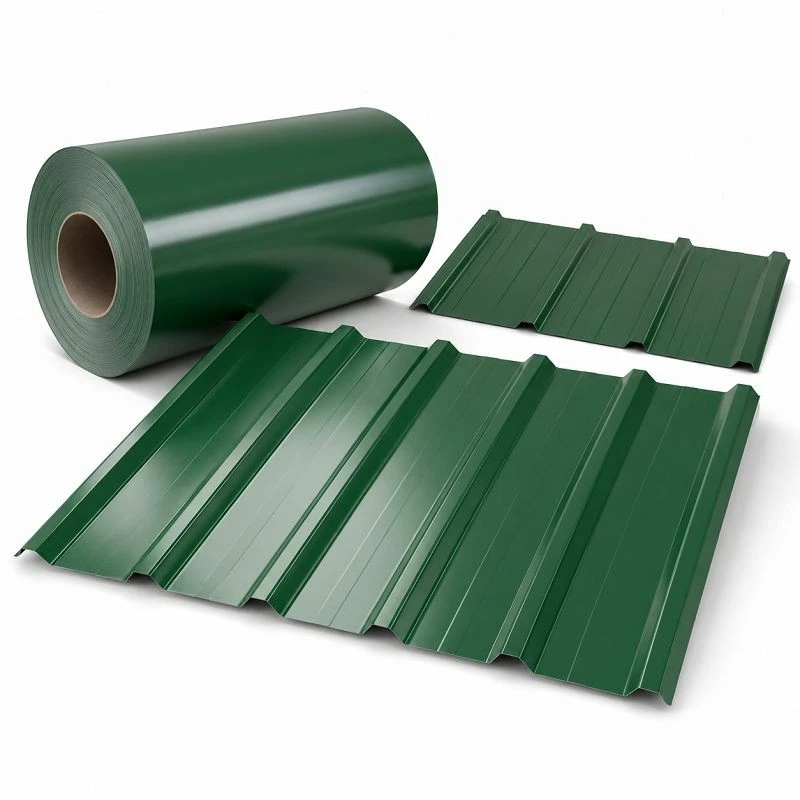
I know that every high wind area is different—coastal areas deal with salt air, mountain regions have strong gusts and ice, plains states face straight-line winds and tornadoes. That’s why I don’t give a one-size-fits-all answer. When you’re choosing a galvanized roof for high wind, the best approach is to work with a supplier who understands local building codes and can recommend the right gauge, coating weight, and profile for your specific location. Whether you need bare galvanized for a industrial warehouse, galvanized color coated sheets for a residential home, or colour coated profile roofing sheet for a commercial building with a specific design, the right combination of product and installation will make a huge difference.
At the end of the day, galvanized roofing sheets are not just suitable for high wind areas—they’re one of the most reliable and cost-effective options on the market. They outperform asphalt, wood, and even many other metal roofing materials when it comes to resisting uplift, shear, and wind-driven damage. But don’t take my word for it: look at FEMA’s wind-resistant building guidelines, which list metal roofing as a top recommendation for high wind zones, or the data from post-storm surveys that show metal roofs suffer far less damage than traditional alternatives.
If you’re planning a new roof or replacing a damaged one in a high wind area, I’d be happy to help you find the right galvanized roofing solution for your project. Whether you need information on different sheet gauges, coating weights, or installation best practices, reach out to discuss your needs. We can also guide you through comparisons with other metal roofing options like Galvalume or color coated metal roofing sheets, so you can make an informed decision that protects your property for years to come.
References
National Oceanic and Atmospheric Administration (NOAA) Coastal Storm Risk Mapping. International Building Code (IBC) Chapter 16: Structural Design Requirements. ASTM A526 Standard Specification for Steel Sheets, Galvanized by the Hot-Dip Process. FEMA Publication 549: Residential Construction in Coastal High Wind Zones. 2022 Post-Hurricane Ian Roof Damage Assessment Report, University of Florida Cooperative Extension Service.