

If you’ve ever worked with coil coatings—especially in industries like construction, appliances, or automotive parts—you’ve likely encountered polyester coil coating paint. It’s a workhorse in the space, valued for its durability, color retention, and cost-effectiveness. But a question we get all the time from painters, fabricators, and even do-it-yourselfers (though most of our clients are industrial) is this: Can I paint over polyester coil coating paint? The short answer is… it depends. And as a polyester coil coating supplier with years of on-the-ground experience, I’m here to break that down for you—no jargon, no confusing technical fluff, just what you need to know to get the job done right.
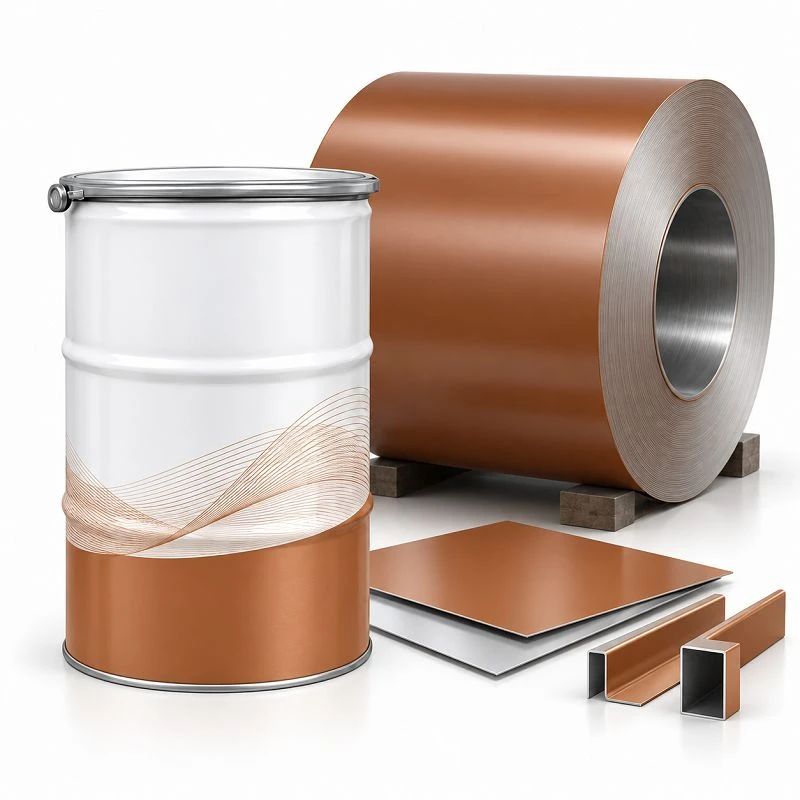
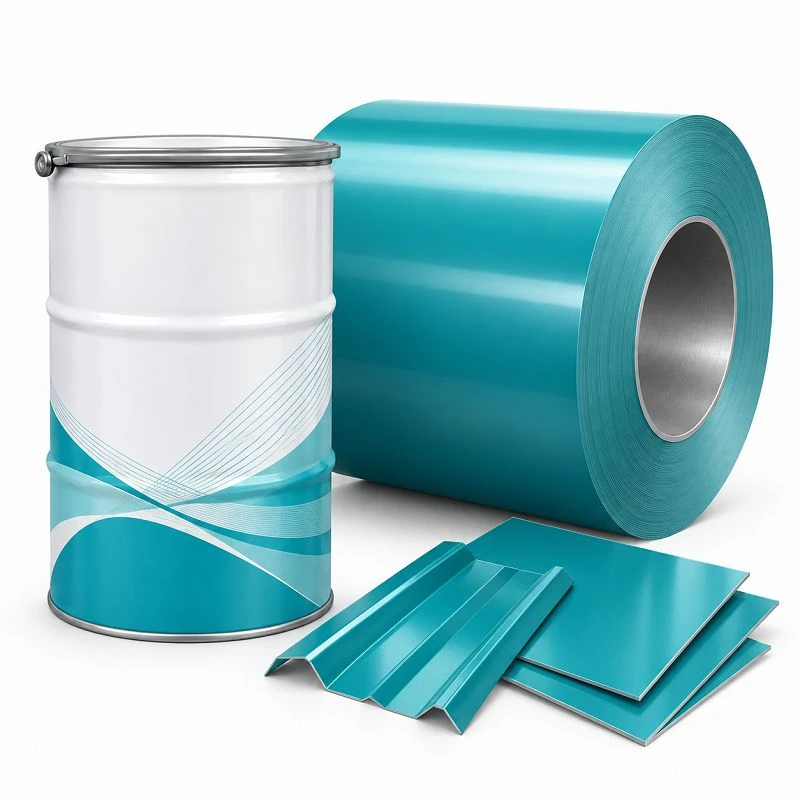
First, let’s talk about what polyester coil coating paint actually is, because that’s foundational to understanding whether you can paint over it. Polyester coil coatings are applied to metal sheets (steel, aluminum, etc.) in a continuous line at high speeds, then cured with heat to form a hard, smooth protective layer. The standard formula is made of a polyester resin blended with pigments, additives, and a cross-linking agent, designed to stick tightly to metal and resist fading, chipping, and UV damage. Some variations go a step further—like the High Durability Polyester Coil Coating we offer, which is formulated for harsh outdoor environments like coastal areas where salt air is a factor. Others, like Silicone Modified Polyester Coil Coating, add silicone to boost gloss retention and resistance to stains from oils or chemicals.
Now, the key word here is “coil coating.” Unlike regular spray paint or brush-applied paint that you put on a finished part, coil coating is baked on at extremely high temperatures (usually around 400°F to 500°F) to create a cross-linked, thermoset film. That means once it’s cured, it doesn’t soften when exposed to heat and it’s way more inert than conventional paint. That inertness is both a benefit and a problem when it comes to repainting. If you try to just slap new paint over a fully cured polyester coil coating, the new paint won’t adhere properly. The cured coil coating is like a non-stick surface—its cross-linked structure repels most other paints, leading to peeling, flaking, or bubbling within months (or even weeks).
But that’s not a hard rule. There are two big factors that make all the difference here: the condition of the existing polyester coil coating, and the type of paint you want to apply over it. Let’s start with condition, because that’s the first thing you need to assess before doing any work. If the existing coil coating is in good shape—no chipping, no cracking, no rust, no chalkiness (that’s when the top layer starts to break down into a powdery substance)—you have to do the right surface prep. If it’s damaged, however, repainting is a lot more complicated, and in some cases, you’re better off stripping the old coating entirely rather than trying to paint over it.
Surface prep is where most people go wrong when attempting to paint over polyester coil coating paint. I’ve seen fabricators skip this step and end up with a finished product that looks terrible in a matter of months. Let’s outline the proper steps when the existing coating is intact:
First, clean the surface thoroughly. Polyester coil coating, even when cured, can pick up oils, grease, dirt, or industrial contaminants from storage or fabrication. If these are left on, they’ll create a barrier between the old coating and the new paint. Use a strong alkaline cleaner (like a TSP substitute, which is safer than traditional TSP) and a stiff brush or pressure washer (set to low pressure, 1500 PSI or less, to avoid damaging the cured coil coating) to remove all grime. Rinse well and let it dry completely—moisture is another enemy of adhesion, so give it at least 24 hours to dry in a well-ventilated area.
Next, you’ll need to abrade the surface. This is the most critical step for adhesion. Since the cured coil coating is smooth and non-porous, you need to create tiny, rough scratches (called a “key”) for the new paint to grip onto. Skip the light scuffing with steel wool—you need something more aggressive. 80-grit to 120-grit sandpaper works, or for larger surfaces like metal sheets, a sanding disc on an angle grinder (with a dust mask, obviously, since metal dust is no joke). After sanding, wipe the entire surface down with a tack cloth or a lint-free rag dampened with denatured alcohol to remove all dust. Even the smallest bit of sanding dust can ruin the bond.
Now, the next big factor: the type of paint you’re applying over polyester coil coating. Not all paints are created equal here. Your best bet is a primer specifically formulated to adhere to thermoset coatings. Epoxy primers are a top choice here—they’re designed to bond to hard, non-porous surfaces, and they create a strong foundation. In fact, epoxy is so effective for this that we often recommend it as part of our coating systems when a customer needs a multi-layer finish. For example, if you’re coating metal sheets for use in industrial equipment, pairing polyester coil coating with the right primer ensures the topcoat stays on. If you need a topcoat after that, our Polyester Coil Coating Topcoat Paint is engineered to work seamlessly with polyester base layers, but it requires that proper primer in between.
Wait, what about other types of coatings? Let’s say you want to apply a different kind of coil coating, like epoxy, over an existing polyester coil coating. That’s possible too, but you still need to do the prep work of cleaning and abrading. Our Epoxy Sheet Coil Coating is a durable, chemical-resistant option, and it can be applied over well-prepared polyester coil coatings as long as you follow the surface prep steps correctly. Just keep in mind that epoxy requires its own curing process, so make sure you follow the manufacturer’s instructions for temperature and drying time.
There are some types of paint you should avoid applying over polyester coil coating. Oil-based alkyd paints are a common culprit—they don’t adhere well to cross-linked polyester coatings, and even if you sand, they’re likely to peel. Latex (water-based) paints are even worse for this, because water can get trapped under the cured coil coating and cause bubbling. If you’re working with metal that will be exposed to moisture (like outdoor fencing or roof panels), stick to epoxy primers followed by a compatible topcoat, not latex.
Now, what if the existing polyester coil coating is damaged? If it’s chipped, cracked, chalky, or has rust spots, painting over it is a risky move. Chalky coatings mean the top layer is breaking down, so any new paint will bond to that powdery surface, not the actual metal underneath, and it will peel off. Rust is even more problematic—if there’s rust under the coil coating, that means the metal has started to corrode, and the only way to fix that is to remove all the rust, strip the old coil coating, and reapply a new coating from scratch. In these cases, repainting over the damaged area will only hide the problem temporarily, and it will get worse quickly. It’s always better to address damage first before considering a topcoat.
I want to mention one common misconception here: some people think that because coil coating is baked on, any paint will stick to it once it’s dry. That’s a myth. The baking process creates a permanent chemical bond between the resin and the metal, so the cured coating is not just a surface layer—it’s integrated with the metal. Conventional paint, even if it’s “industrial grade,” can’t form that same chemical bond, so it relies entirely on mechanical adhesion from proper prep. Skipping that prep step is the number one reason repaints fail, in my 12 years in this industry.
Let’s also talk about common applications, because that’s where this question comes up most. For example, a small manufacturer might make custom metal signs using polyester coil coated aluminum, and they want to change the color. If the original coating is in good shape, they can sand it, apply an epoxy primer, then a new polyester topcoat. But if the signs are already three years old and starting to chalk, they need to sand aggressively and maybe apply a light etch to the surface before priming. Another example: roofing sheets made with polyester coil coating that need to be repainted after a hail storm. If the damage is minor (just scratches, not deep dents or chipping), surface prep and a compatible topcoat will work. If there’s denting that exposed the metal, they’ll need to repair the dent, prime the exposed metal, then sand and coat the rest.
As a supplier, we always recommend that our customers test any new coating on a small, inconspicuous area first. Even if you follow all the steps, there can be variables—like the exact age of the original coil coating, or contaminants you didn’t see during cleaning. Testing a 2x2 inch patch takes a few days, and it can save you from ruining an entire batch of parts. Apply your primer and topcoat, let it cure for a week, then try to scratch it with a coin. If it doesn’t peel, you’re good to go. If it does, you need to adjust your prep or choose a different coating.
Wait, what about polyurethane coatings? I’ve had customers ask if they can use Polyurethane Sheet Back Coating over polyester coil coating. The short answer is that polyurethane is a good option for certain applications, like back sheets where flexibility is important, but it still needs proper surface prep. Polyurethane adheres well to properly prepared polyester, but it’s not a replacement for an epoxy primer if you’re looking for long-term durability in harsh environments. We often suggest pairing polyester coil coating with a polyurethane back coating for parts that need flexibility on the reverse side, as long as the original surface is prepped correctly.
Let’s wrap this up with a clear, actionable guide, because I know most of you reading this just want to know what to do. If you want to paint over polyester coil coating paint:
- Assess the existing coating: Only proceed if it’s intact (no chipping, cracking, rust, or chalkiness). If it’s damaged, strip or repair it first.
- Clean thoroughly: Remove all oils, grease, dirt, and contaminants with an alkaline cleaner and low-pressure rinse. Dry completely.
- Abrade properly: Use 80-120 grit sandpaper to create a rough key. Wipe off all dust with denatured alcohol and a lint-free rag.
- Use the right products: Apply a high-quality epoxy primer, then a compatible topcoat like our Polyester Coil Coating Topcoat Paint or another industrial-grade coating designed for thermoset surfaces. Avoid oil-based or latex paints.
- Test first: Do a small patch test to ensure adhesion before full application.
And if you’re working on a large-scale project—like coil coating entire metal sheets for construction or appliances—reach out to our team. We can help you choose the right products for your specific needs, whether that’s High Durability Polyester Coil Coating for outdoor use, Silicone Modified Polyester Coil Coating for stain resistance, or epoxy or polyurethane coatings for specific layers.
At the end of the day, the answer to “Can I paint over polyester coil coating paint?” is yes—if you do it the right way. Skip the shortcut of just painting over it without prep, and you’ll get a finish that lasts for years. We’ve worked with hundreds of businesses, from small fabricators to large construction companies, and the ones that follow these steps are the ones that come back for repeat orders. If you’re planning a project and need guidance on which coatings to use, or how to prep your surface, our team is here to help. Reach out to our sales team to discuss your requirements and get customized recommendations for your next job.
References
- Lamour, G. (2019). Coating Adhesion: Principles and Practices for Industrial Surface Finishing. Society for Protective Coatings.
- American Iron and Steel Institute. (2021). Guide to Coil Coating Application and Performance. AISI Press.
- Wilson, T. (2020). Surface Preparation for Repainting Metal Substrates. Journal of Coatings Technology and Research, 17(3), 589-602.
- DuPont Performance Coatings. (2018). Thermoset Coating Compatibility Guide for Industrial Coatings. DuPont Technical Bulletin.