

If you’ve ever worked in the metal fabrication or architectural coating industry, you know that polyester coil coating paint isn’t just another industrial product—it’s the backbone of countless projects, from commercial building facades to appliance exteriors that need to hold up against weather, wear, and time. As a supplier who’s been in this space for over 12 years, I’ve seen firsthand how even the smallest storage misstep can turn a high-quality batch of paint into unusable material, leading to costly delays, wasted product, and frustrated clients. That’s why I’m pulling back the curtain on the science and practical tips of storing polyester coil coating paint, based on what we’ve learned from refining our own processes and supporting thousands of customers across North America and beyond.
First, let’s ground this in why polyester coil coating paint matters so much. Unlike regular paint that’s applied after a product is made, coil coating is applied to thin metal coils before they’re formed into everything from roof panels to window frames. The paint has to cure quickly in an oven, then stick tight to metal through bending, forming, and years of exposure to sun, rain, and temperature swings. Our Polyester Coil Coating Paint is formulated to balance flexibility, adhesion, and color retention, but all those benefits go out the window if the paint isn’t stored correctly.
Let’s start with the basics: what makes polyester coil coating paint different from standard interior or exterior paint. It’s a 100% solids or high-solids liquid coating, meaning it has very little solvent to evaporate, and relies on cross-linking agents to cure. That cross-linking is temperature-dependent, and even minor exposure to the wrong conditions can start that reaction too early—or break down the resin molecules that give the paint its durability. I’ve had a customer tell me they stored a drum of our High Durability Polyester Coil Coating in a unheated warehouse in Minnesota over winter, and when they opened it in spring, the paint had thickened into a gel. It’s a mistake we see all the time, and one that’s totally avoidable with proper storage protocols.
Temperature is non-negotiable when it comes to storing polyester coil coating paint. The ideal range is between 15°C (59°F) and 25°C (77°F)—that’s a narrow window, but for good reason. Below 15°C, the resin in the paint can begin to crystallize, turning a smooth, pourable liquid into something that’s almost impossible to pump or apply evenly. Above 25°C, the cross-linking agents in the paint start to activate prematurely, even if the drum is sealed. We’ve tested this extensively in our labs: a batch of paint stored at 30°C for just two weeks saw its pot life (the time it remains usable after mixing) cut by 40%, and its adhesion to metal reduced by 25% in subsequent coil coating trials. For our Super Weather-resistant Coil Coating line, which is formulated for harsh coastal or desert environments, the temperature window is even tighter—we recommend sticking to 18°C to 22°C for these products, as their higher resin loading makes them more sensitive to heat fluctuations.
Humidity is another factor that’s often overlooked, but it can cause just as much damage as temperature. Polyester coil coating paint is hygroscopic, meaning it absorbs moisture from the air. When moisture gets into the drum, it reacts with the isocyanates (a common cross-linking agent in polyester coatings) to form bubbles and voids in the cured paint. We had a customer in Florida learn this the hard way: they stored a drum of our Polyester Coil Coating Topcoat Paint in a partially open loading dock, and by the time they used it, the surface of the paint had a layer of tiny, raised bubbles that ruined the finish on 500 coils. The fix here is simple: store paint in areas with relative humidity between 40% and 60%. If your storage space is naturally humid, consider using dehumidifiers, especially in summer months when outdoor humidity can spike. And never leave drums open longer than necessary—even a few minutes on a humid day can let enough moisture in to cause issues.
Light exposure might seem like a minor detail, but for polyester coil coating paint, it’s a big deal. UV light, specifically, can break down the paint’s resin molecules over time, leading to faded color, chalking, and reduced durability. We’ve seen clients store drums on open loading docks or near large windows without covering them, and after just a month, the paint’s color had shifted by 5-10 points (enough to make a batch mismatch with existing product). That’s why we recommend storing all polyester coil coating paint in a dark, indoor space. If you have to store drums outside for any reason (we understand sometimes logistics mean last-minute storage), cover them with a UV-resistant tarp and make sure they’re elevated off the ground to prevent water pooling around the base. We also recommend that you keep drums of our Fluoropolymer Coil Coating Paint separate from polyester, as their higher resin loading makes them even more sensitive to light—though that’s a separate storage topic for another day.
Drum handling and positioning are also key to preserving paint quality, and it’s something we train all our delivery drivers and customer service teams to emphasize. First, make sure drums are stored upright at all times. Lying a drum on its side or tilting it can cause the paint’s additives to separate—settling at the bottom, and surfactants at the top. When you go to use the paint, if it’s separated, you’ll have to spend extra time mixing it, and even then, you might not get a uniform formulation. Second, never stack drums beyond the weight limit marked on each drum. Most 55-gallon steel drums hold around 500 pounds when full, so stacking more than two high can cause the bottom drum’s lid to deform, leading to leaks or air getting in. We had a customer once stack three drums of paint, and the bottom drum’s lid bent, allowing air to get in and the paint to oxidize, turning it a dull gray instead of its original deep navy. It’s a small mistake with a big cost.
Inventory rotation is often underestimated, especially for customers who go through paint in batches. The shelf life of properly stored polyester coil coating paint is 12 months from the date of manufacture, but that doesn’t mean you should let drums sit on the shelf for 11 months before using them. We follow the “first in, first out” (FIFO) rule in our own warehouse, and we recommend all our customers do the same. When new shipments arrive, label each drum with the date it was received, and place older drums at the front of the storage area so they get used first. If you have drums that are approaching the 12-month mark, test a small sample before using them in production. We offer free sample testing for all our customers—just send us a small amount of the paint, and we’ll check its viscosity, pot life, and adhesion to metal, so you can avoid wasting material.
Special considerations for different types of polyester coil coating paint are important to note, too. For example, our High Durability Polyester Coil Coating has a higher cross-linking agent content than standard polyester, so it’s more sensitive to temperature. Storing it at the upper end of the ideal temperature range (25°C) can reduce its shelf life by 2-3 months, so we recommend keeping these in the cooler part of your warehouse. Our Polyester Coil Coating Topcoat Paint, on the other hand, has a higher pigment content for better color retention, so it’s more prone to settling. We recommend gentle, low-speed mixing for 10 minutes before using any topcoat paint, even if it doesn’t look separated. And for our Super Weather-resistant Coil Coating, which is designed for extreme outdoor conditions, we advise checking the drum’s seal every 6 months—any tiny leak can let in moisture or air, compromising the paint’s ability to resist fading and corrosion.
I know what some of you are thinking: “We don’t have a climate-controlled warehouse, can we still store polyester coil coating paint correctly?” The short answer is yes, but you’ll need to be more proactive. If your warehouse gets too cold in winter, invest in space heaters (but keep them at least 3 meters away from drums to avoid direct heat). If it’s too hot in summer, use ceiling fans or air conditioners to maintain a steady temperature. For humidity, portable dehumidifiers are affordable and effective for small to medium storage spaces. The key is consistency—even a small fluctuation in temperature or humidity over a day is less harmful than a major swing over a week. We’ve supported customers with basic garage storage who follow these tips, and they’ve had zero issues with paint quality.
One common myth we hear is that adding a small amount of solvent to thickened paint can fix it. Don’t do this. The cross-linking and resin structure in polyester paint is designed to work with a specific ratio of solids to solvent. Adding extra solvent can break that balance, leading to poor adhesion, longer cure times, and a finish that’s more prone to chipping or fading. If your paint does thicken, check the storage temperature first—if it’s too cold, move it to the correct temperature range for 24-48 hours, then gently mix it. If that doesn’t work, contact our technical team for guidance—we’d rather help you troubleshoot than see you waste a batch of product.
At the end of the day, storing polyester coil coating paint correctly is all about respecting its chemistry. This isn’t just liquid paint—it’s a carefully formulated product that’s engineered to turn thin metal into durable, beautiful building materials and consumer goods. As a supplier, our job isn’t just to deliver high-quality paint—it’s to make sure that paint arrives at your facility and stays ready to use for as long as possible. We’ve spent years refining our own storage and delivery processes to minimize any stress on the paint, and we want to share that knowledge with you.
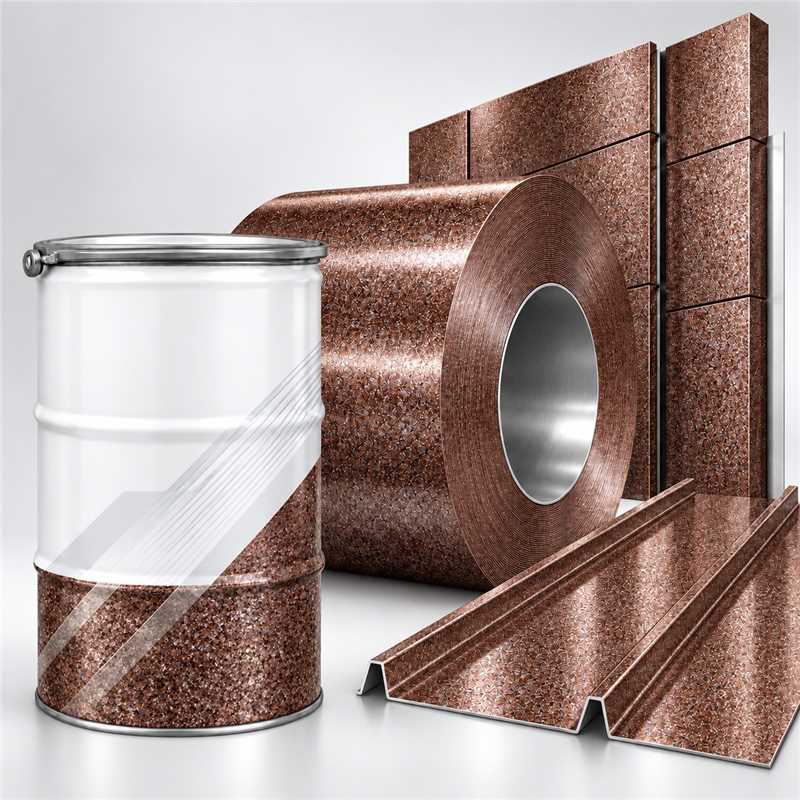
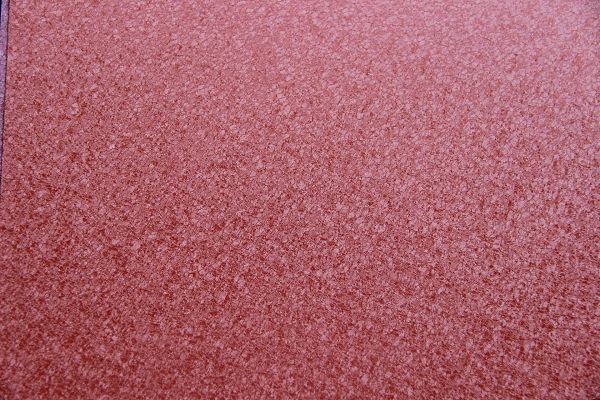
If you’re ready to order polyester coil coating paint for your next project, or have questions about how to properly store the products you already have, don’t hesitate to reach out. Our team of coating specialists is here to help, whether you need advice on storage protocols, technical details about our products, or a quote for bulk orders.
References
- Coil Coating Association. (2021). Best Practices for Storage and Handling of Industrial Coil Coatings. Washington, D.C.: Coil Coating Association.
- Dow Chemical Company. (2020). Resin Chemistry and Storage Requirements for Polyester-Based Coatings. Midland, MI: Dow Chemical.
- National Paint and Coatings Association. (2022). Environmental Factors Affecting Coating Shelf Life. Arlington, VA: National Paint and Coatings Association.
- Your Company Internal Technical Documentation. (2011-2023). Polyester Coil Coating Product Specifications and Storage Guidelines. Unpublished.